
Sharing About Our Research in the Netherlands: CSAReps Present at SCSMI 2026 in Amsterdam
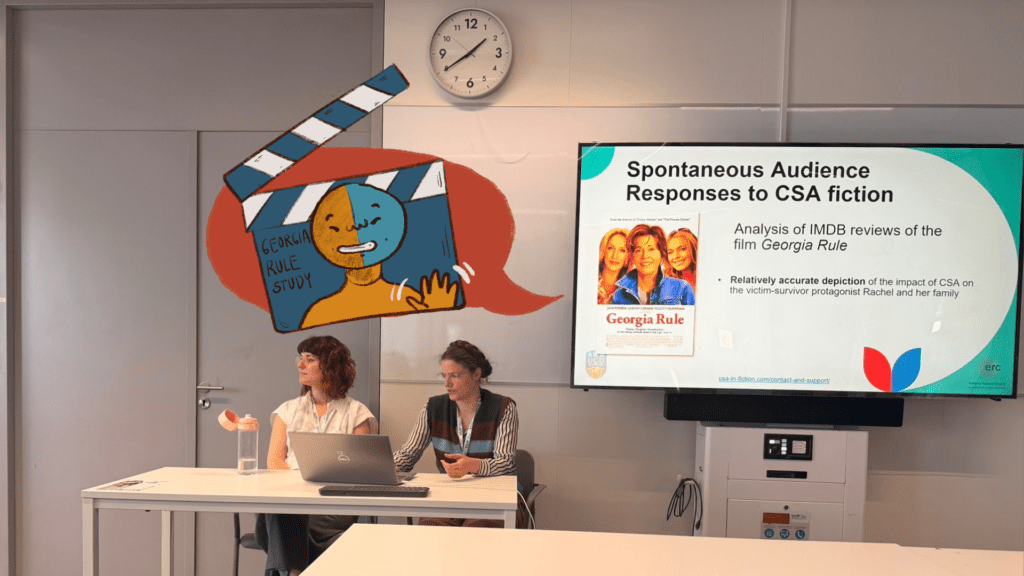
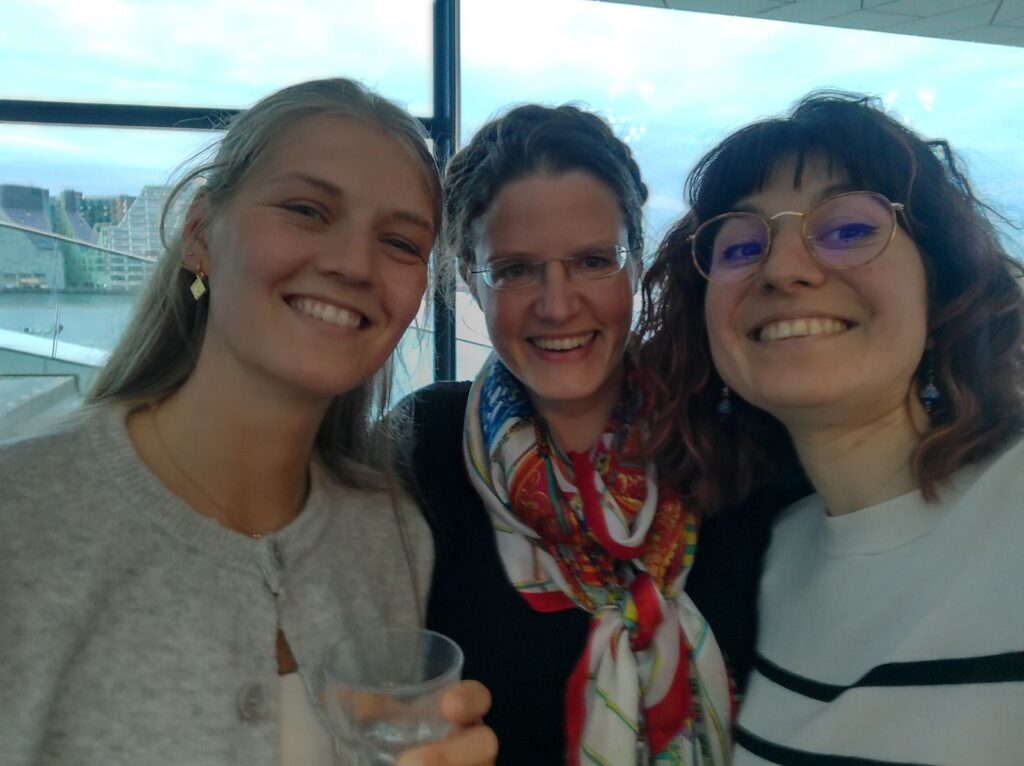
Right after their inspiring presentation at the ISSN Conference in Denmark, CSAReps’ postdoctoral researchers, Victoria Pöhls and Dr. Giulia Scapin continued their summer conference trip to the Netherlands. From June 10th to 13th, 2026, they represented CSAReps at the Society for Cognitive Studies of the Moving Image (SCSMI) Annual Conference, hosted by Vrije Universiteit Amsterdam (VU Amsterdam).
While the previous conference in Denmark focused on the narrative aspect, SCSMI brought together researchers from around the globe into an exciting, interdisciplinary space to talk about the cognitive, aesthetic, psychological, neuroscientific, and evolutionary approaches to the analysis of film and other moving image media.
The Importance of Survivor-Centered Storytelling
Victoria and Giulia’s presentation, titled “Towards Victim / Survivor-Centred Storytelling in Film: Insights from Viewers’ Responses to Fictional Representations of Child Sexual Abuse,” explored how cinematic choices can shape audience’s responses.
To illustrate these dynamics, they shared the results of a recently completed CSAReps study: A qualitative analysis of 147 online audience reviews of the film ‘Georgia Rule’ (directed by Garry Marshall and written by Mark Andrus). The team’s findings from this case study offered multiple insights into how audiences could perceive fictional CSA representation on screen, including:
1. How viewers perceive complex CSA characters
The study revealed an interesting take of the film’s protagonist, Rachel (played by Lindsay Lohan). Unlike the passive, one-dimensional victims characters often depicted in traditional fiction, Rachel is portrayed as a ‘round’, complex character who displays great personal agency and strength.
Our research shows a difference in how different audience demographics perceived this representation:
Part of the General Audience: Tended to criticize Rachel’s character as an ‘unrealistic’ representation of a CSA survivor, likely due to internalized stereotypes of how a victim ‘should’ act.
Viewer-Survivors or Close connection to Survivors: Conversely, audiences with lived experience of CSA, or close to victim/survivors tend to validate Rachel’s complexity, recognizing her multi-faceted personality as quite authentic and realistic.
2. Humor as an Accessible Gateway
Another relevant outcome from the analysis of Georgia Rule’s viewers’ responses involved the film’s unique integration of humor – a narrative choice that is highly unusual for films tackling the subject of CSA.
While blending comedy with the serious topic of CSA might seem counterintuitive, our current research is suggesting that the strategic use of humor can serve as a useful coping and entry mechanism. CSA can be a difficult topic that people tend to avoid. According to some of our viewer participants and in recent conversations with CSA victim/survivors support professionals, the use of comedy in CSA fiction seems to be appreciated as it sometimes makes it a little bit easier to engage with CSA. This was especially the case for people with lived experience, who generally did not find the comedy aspect to be out of place when talking about CSA.
Closing Thoughts
Victoria and Giulia’s presentation at SCSMI 2026 marks an important step forward for the CSAReps project, opening up to a research community expert in the exploration of how moving images can impact their audiences. Such connection will help the next steps of the project and further supports a more nuanced, survivor-centered approach for creative professionals. CSAReps hopes to provide screenwriters, directors, and other creative professionals with guidelines to embrace complex, survivor-centered storytelling, sensitive about the reality of victims/survivors and able to breach stereotypes about CSA in the wider public. We are incredibly proud of Victoria and Giulia for advocating for this vital work on the international stage!
Written by Olivia Susilo | Research Assistant