Reflections on the Alders Unit Conference 2026: ‘Child Sexual Abuse: Preventable, Not Inevitable’
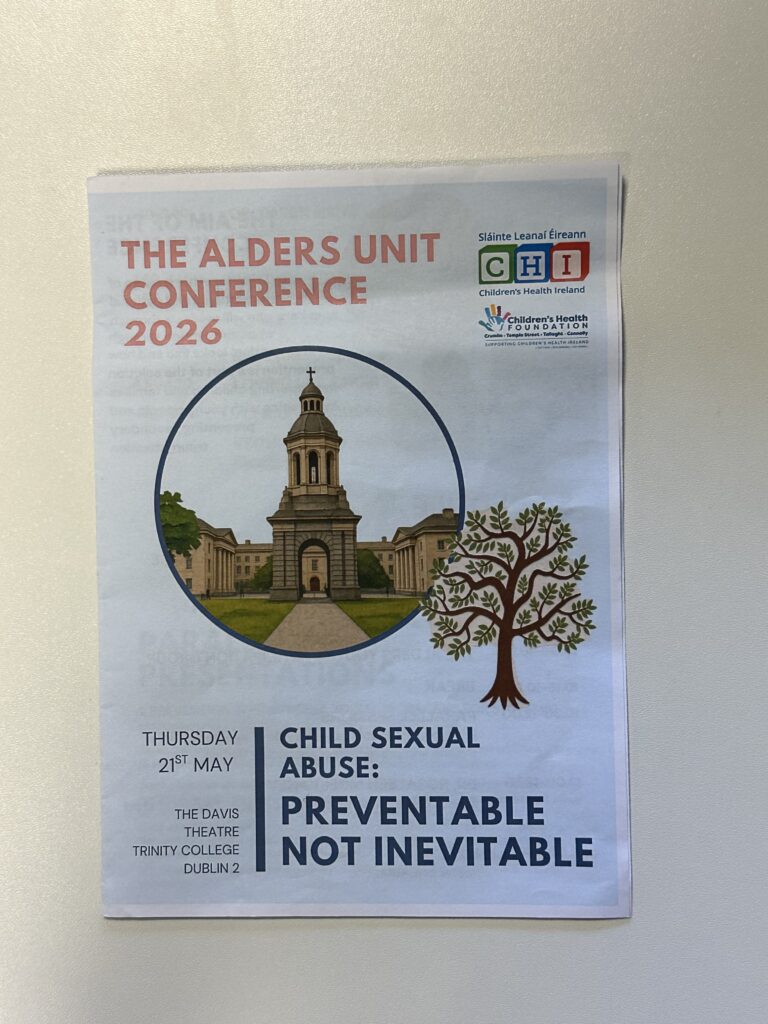
On May 21st, 2026, Dr. Ailise Bulfin and Olivia Susilo from the CSAReps team attended the Children’s Health Ireland (CHI) Alders Unit National Conference at Trinity College Dublin. Grounded in the Alders Unit’s important mission, which provides specialist assessment and therapeutic care to children and families healing from child sexual abuse (CSA) – this year’s conference centered on a powerful theme: “Child Sexual Abuse: Preventable, Not Inevitable.”
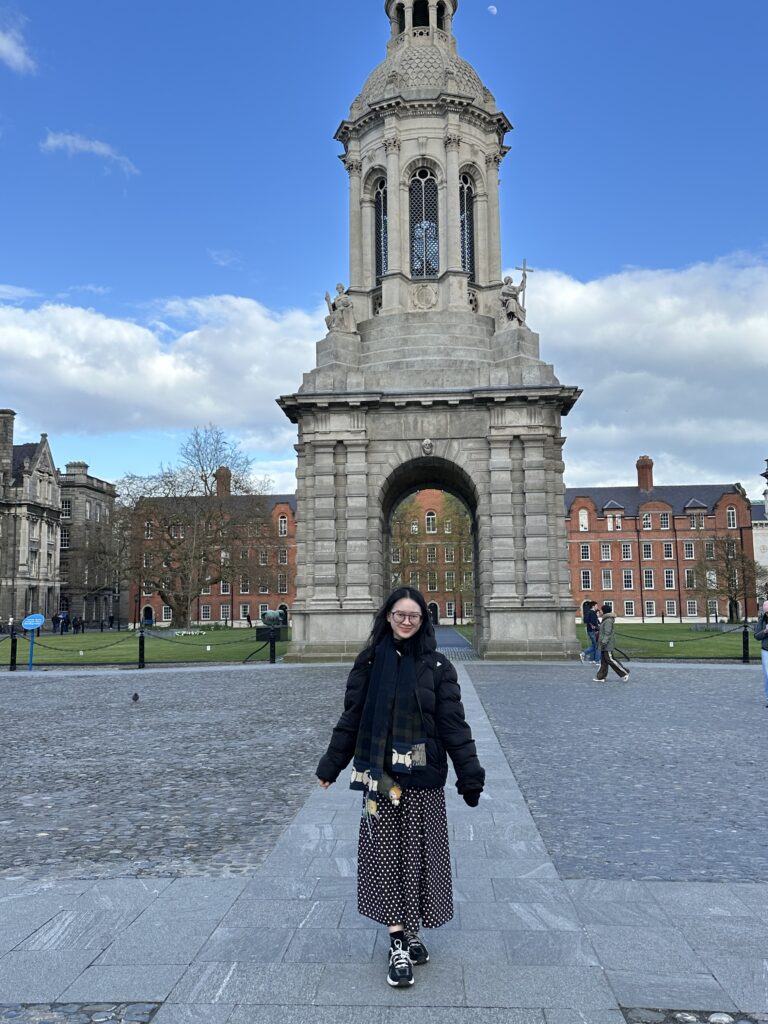
The event brought together an extraordinary range of national and international researchers, clinical practitioners, and individuals with lived experiences. Together, they shared an important message that CSA is an issue that we can actively prevent, rather than a tragedy we can only passively accept.
Keynote and Sessions
The conference opened with remarks from Jim O’Callaghan, Ireland’s current Minister for Justice. He highlighted the country’s ongoing efforts to strengthen CSA prevention regulations, focusing on strategies to combat child sexual abuse materials and children’s access to violent online pornography and emphasizing that policy must evolve as quickly as technology does.
Lived Experience
Following the government’s framework came an unforgettable, deeply moving session by Joyce, June, and Paula Kavanagh (the Kavanagh sisters) who shared about their lived experiences of CSA.
One of the insights that touched us was their reflection on the weight of trauma – how abuse can violently alter a child’s trajectory and how difficult it can be to break the silence. When speaking to a professional, a child survivor can feel an overwhelming sense of guilt, as if disclosing the act is somehow admitting their fault. They shared about how survivors often mentally dissociate from the pain until they become entirely numb. Yet, their presence showed the importance of breaking that silence – even now, many years later, they continue to speak out, proving that justice for CSA survivors must still be fought for, as long as CSA still exists.
Another important point they made is that for children to really feel that they can tell about abuse, the message that they can must be repeated everywhere, all the time, until it is second nature for children to believe this. And it must be stressed that it is not the child’s fault. All society needs to be repeating this message across sectors and media.
The Kavanagh sisters also call on society to do the difficult work of not othering perpetrators as monsters, especially for young people (men and boys) who have committed or who may commit abuse, so that they may feel more able to come forward for treatment and hence more abuse will be prevented. They urge us to get the message out there that there is help, and hope, and that treatment is possible, you can come out the other side. They call for people to try to have empathy for people in this position – ‘you need to imagine it is your son’ – or nothing will change. Because the criminal justice system as it is now is not effective in preventing abuse.
Empowering Youth
The focus then shifted to early intervention with a presentation by four of the Alders Youth Participation group. They highlighted the need for early identification, building a protective culture where young people feel safe to speak up, and training adults to respond with warmth and belief when a child makes a disclosure about CSA.
Supporting the Support Professionals
Dr. Rosaleen McElvaney, a clinical psychologist, author, and researcher, who is also the CSAReps project’s Ethics Adviser, drew on her extensive career to reflect on a critical but often overlooked issue: Secondary trauma. Dr. McElvaney highlighted how psychotherapists, social workers, and other support professionals often absorb the weight of the difficult stories they hear, noting that organizational interventions are vital to prevent burnout and secondary trauma. Furthermore, she argued about the necessity of active youth collaboration, urging organizations to integrate youth advisory groups, and youths as co-researchers and co-designers, providing them the opportunity to shape advocacy using their own, authentic voices.
Changing Patterns of Perpetration
Dr. Karen Hand, a prominent sexual abuse researcher, who was the inaugural CSAReps podcast speaker presented striking insights from her the recent CSO Sexual Violence Survey of Ireland (2023), which revealed an interesting change: While CSA perpetrators from traditional authority figures have statistically decreased, perpetration involving boyfriends, girlfriends, and peers has risen, in line with international trends seen in the UK, USA and Australia. Worryingly, Dr Hand’s ground-breaking research on Irish attitudes to CSA shows that many young people have yet to recognize that their romantic partner can be a perpetrator, signaling an urgent need to educate young people and adults on boundaries, consent, and healthy relationships.
The challenging nature of these discussions was beautifully balanced by the Loving Life Choir, with their uplifting musical performances.
A Global CSA Research
The conference concluded with a global perspective from Dr. Elizabeth Letourneau and Aengus Ó Dochartaigh from the Moore Center for the Prevention of Child Sexual Abuse at the Johns Hopkins Bloomberg School of Public Health.
Dr. Letourneau, a pioneer in treating CSA as a preventable public health epidemic, shared about their international research and global youth programs built upon five foundational pillars: Invest, Engage, Discover, Learn, and Change.
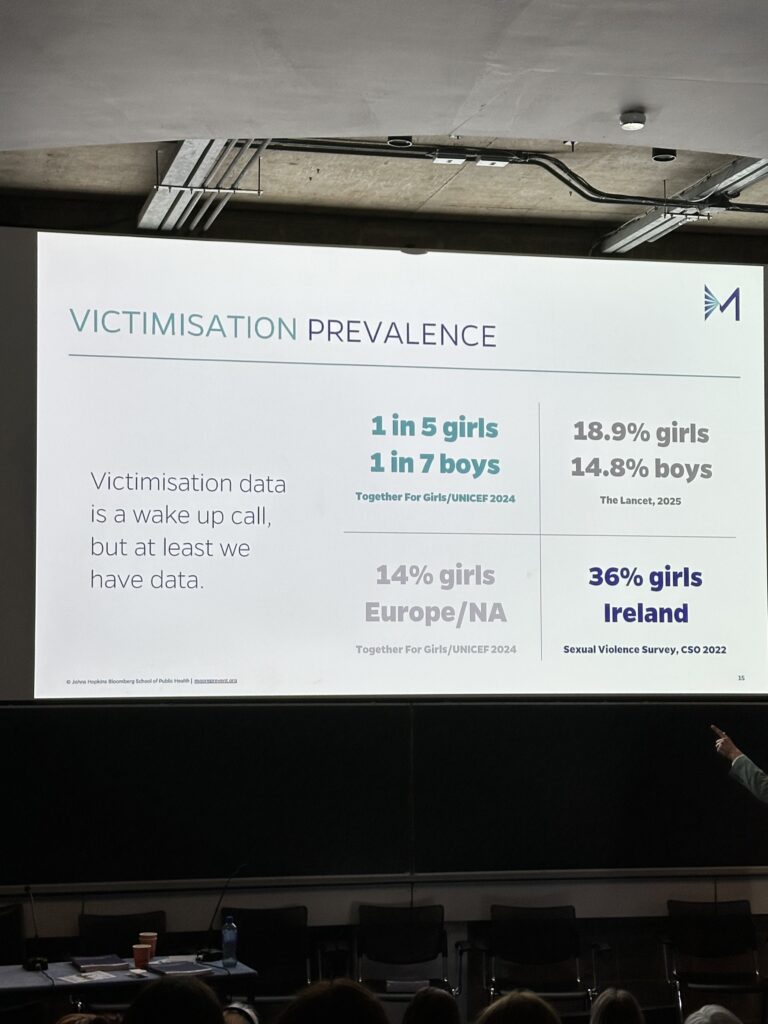
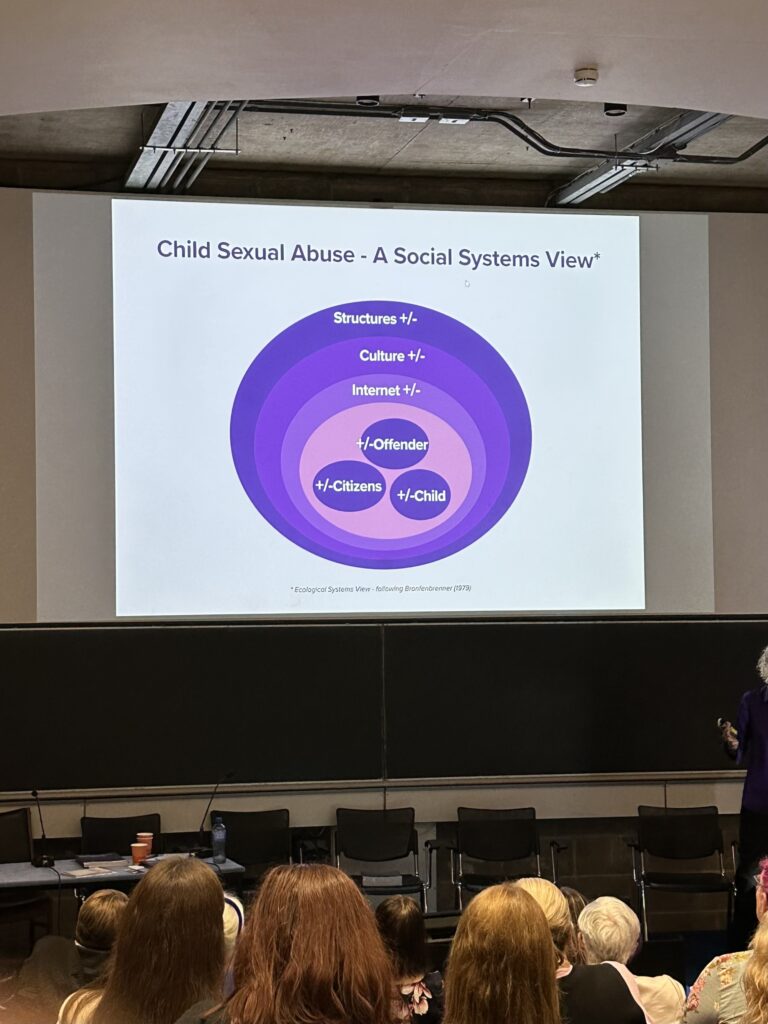
A key takeaway from the Moore Center’s research is the strategic necessity of focusing on potential young perpetrators, especially before the abuse occurs. Like many other speakers during the day, they pointed to the risk factors for perpetration for young people who access a lot of online pornography. They mapped prevention strategies out across three levels of public health intervention:
1) Primary Prevention: Universal programs aimed at the entire population, such as school-based safety interventions.
2) Secondary Prevention: Targeted interventions for individuals exhibiting specific risk characteristics, for instance, those experiencing sexual attractions to children or watching child sexual abuse materials.
3) Tertiary Prevention: Programs to mitigate ongoing harm through tailored clinical models, like Cognitive Behavioural Therapy (CBT).
They noted that the CSA prevention field is gaining momentum internationally and this is vital as, for example, in the USA, only c. 5% of CSA cases are caused by people with a prior conviction for CSA, so prison is not working to prevent abuse as prevalence is rising, especially in the peer-to-peer category. They mentioned the importance of helplines such as those run by the Lucy Faithfull organisation in the UK & the USA, Talking for Change in Canada, and Child Helpline International, which are all receiving calls from young people concerned about offending. This shows that young people are open to coming forward to seek help when the right kinds of confidential services are put in place.
Closing Reflection
Attending the Alders Unit Conference was a difficult yet inspiring reminder of why our work at CSAReps matters. By bringing together policy, research, clinical innovation, and the voices of survivors, the event made us reflect on a renewed sense of purpose and we are grateful to the Alders Unit for organising it.
As the day beautifully demonstrated, if we look at CSA as preventable, not inevitable – with collective empathy and unwavering survivor support, we can move closer to creating an Ireland – and a world – where every child is safe, heard, and protected.
Written by Olivia Susilo | Research Assistant and Dr. Ailise Bulfin | Principal Investigator